


How to Choose an Asphalt Plant for Toll Road Concessionaires with Profit-Based Maintenance Targets?
- wangamy263
- Nov 21, 2025
- 4 min read
For toll road concessionaires, selecting the right asphalt plant is more than a procurement decision—it’s a strategic investment that directly affects project profitability, maintenance efficiency, and long-term operational stability. Choosing an asphalt plant that aligns with your profit-based maintenance targets requires careful analysis of plant performance, operational costs, and adaptability to construction schedules. In this article, we provide a practical guide to help concessionaires make informed decisions and maximize the return on their asphalt plant investment.

Understanding Your Maintenance and Profit Targets
Before exploring asphalt plant options, it is crucial to define your maintenance and profit objectives. Toll road projects often come with stringent service level agreements (SLAs) and contractual maintenance targets. For example, a concessionaire may aim to keep pavement repair costs under a specific threshold or maintain asphalt quality to reduce long-term resurfacing expenses.
Setting clear profit-based maintenance targets helps you determine the type, capacity, and operational flexibility needed from your asphalt plant. It ensures your plant selection aligns with the cost-control measures and quality standards that support sustained profitability.
Evaluating Asphalt Plant Types
Different asphalt plants offer various operational advantages and limitations. Generally, plants fall into three categories: batch mix, drum mix, and mobile asphalt plants.
Batch Mix Plants
Bitumen batch mix plants provide precise control over asphalt composition, ensuring consistent quality. They are suitable for toll roads requiring high-performance asphalt layers with exact aggregate and binder ratios. While they have slightly higher upfront costs and more complex maintenance, their ability to produce tailored mixes can reduce long-term maintenance costs by improving pavement durability.

Drum Mix Plants
Drum mix plants operate continuously, providing high production rates for large-scale projects. They are easier to operate and maintain than batch plants, making them suitable for projects with a tight construction schedule. However, they offer less flexibility in adjusting mix designs on the fly, which may affect pavement longevity if not carefully managed.
Mobile Asphalt Plants
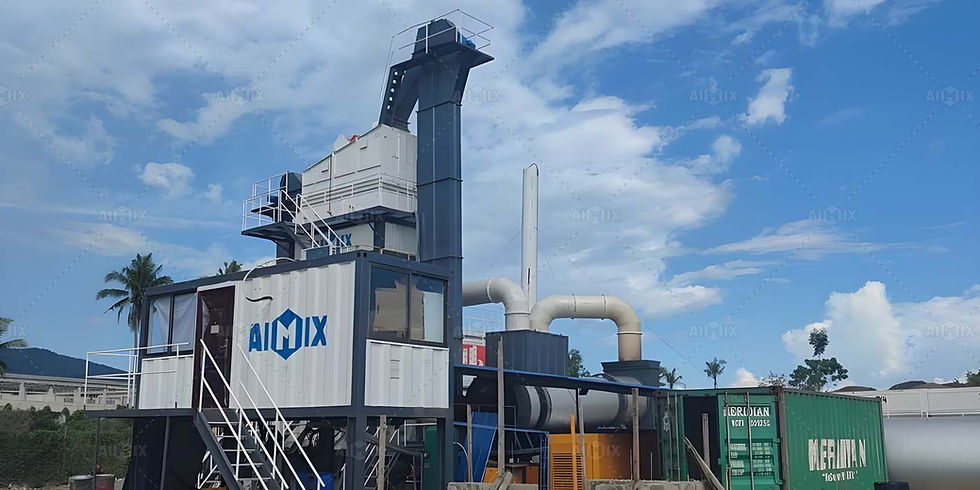
Mobile asphalt plants offer quick deployment, allowing construction teams to produce asphalt close to paving sites. This reduces transportation costs and prevents material cooling during transit. They are particularly valuable for toll road segments in remote or fragmented locations. While mobile asphalt mix plants may have slightly lower production capacity than stationary plants, their flexibility can directly support your maintenance targets by ensuring timely, high-quality asphalt supply.
Capacity Planning for Profit-Driven Operations
Production capacity is a critical factor in meeting your profit-based maintenance targets. Insufficient capacity can delay road construction, increase labor costs, and result in rushed maintenance work. Conversely, overcapacity may lead to unnecessary energy consumption and higher initial investment.
Concessionaires should calculate average daily asphalt requirements based on project size, maintenance frequency, and paving speed. Incorporating a buffer of 10-15% in capacity can help accommodate peak demand periods without causing operational bottlenecks. Matching the plant capacity to both current and future maintenance needs ensures that your investment remains profitable over the long term.
Energy Efficiency and Cost Control
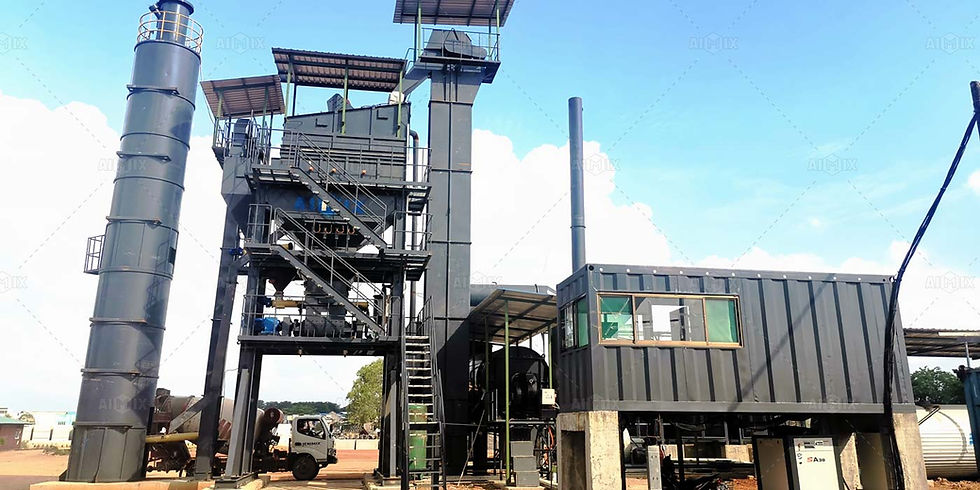
Operational costs heavily influence the profitability of toll road projects. Asphalt plants with advanced burners, heat recovery systems, and automated controls can significantly reduce fuel consumption. Optimized energy use not only lowers operational expenses but also minimizes emissions, supporting environmental compliance and sustainable road construction practices.
Additionally, automation and remote monitoring features can streamline maintenance operations, enabling real-time adjustments and reducing downtime. Concessionaires benefit from lower labor costs and improved mix consistency, directly contributing to profit-based maintenance objectives.
Material Flexibility and Quality Control
High-quality pavement depends on precise material proportions. Asphalt plants that can handle diverse aggregate sizes, multiple binder types, and specialized additives offer more control over mix design. For toll roads, this flexibility is critical for meeting safety standards, traffic load requirements, and long-term maintenance goals.
Investing in a plant with integrated quality control systems allows continuous monitoring of asphalt temperature, binder content, and aggregate moisture. This reduces the risk of pavement failure and ensures that maintenance costs remain predictable and manageable.

Local Support and Maintenance Services
Even the best asphalt plant requires regular maintenance to operate efficiently. For toll road concessionaires, having access to reliable local service, spare parts, and technical support is essential. Plants supported by local engineers can minimize downtime, provide on-site training, and quickly resolve operational issues.
Partnering with suppliers that offer long-term maintenance programs ensures that your plant maintains optimal performance, directly supporting profit-based maintenance targets and extending the equipment’s operational life.
Case Studies: Successful Toll Road Asphalt Plant Operations
Several toll road projects demonstrate how strategic plant selection aligns with maintenance and profit objectives. For instance, a concessionaire operating a 50 km highway segment reduced annual maintenance costs by 20% after installing a batch mix plant capable of producing customized asphalt with high durability. Another project utilizing a mobile asphalt plant minimized transport delays and kept repair schedules on track, enhancing overall project profitability.
These cases highlight the importance of matching plant type, capacity, and operational flexibility to specific toll road requirements. Each decision, from plant design to energy efficiency, directly impacts long-term profitability and maintenance success.
Practical Tips for Selecting the Right Asphalt Plant
To summarize, toll road concessionaires should consider the following when selecting an asphalt plant:
Define clear profit-based maintenance objectives.
Evaluate plant types for quality control, production rate, and flexibility.
Plan capacity with future maintenance needs in mind.
Prioritize energy efficiency and automation to reduce operational costs.
Ensure material flexibility to maintain high pavement quality.
Choose suppliers with local support and reliable maintenance programs.
By following these guidelines, concessionaires can select an asphalt plant that not only meets construction demands but also supports profitable, sustainable operations over the long term.
Conclusion and Call to Action
Choosing the right asphalt plant is a strategic decision that directly influences toll road profitability and maintenance performance. By focusing on plant type, capacity, energy efficiency, material flexibility, and local support, concessionaires can achieve their profit-based maintenance targets while ensuring high-quality, durable road surfaces.
If you are looking for a reliable asphalt plant supplier with local support in Indonesia, our team offers tailored solutions for toll road projects of any scale. We provide batch, drum, and mobile asphalt plants optimized for efficiency, cost control, and quality, helping you maintain roads effectively and profitably. Contact us today to discuss your project requirements and explore the best asphalt plant solutions for your toll road concession.

Comments